Political Parties Under Pressure: Strengthening Democratic Resilience Against Foreign Malign Influence
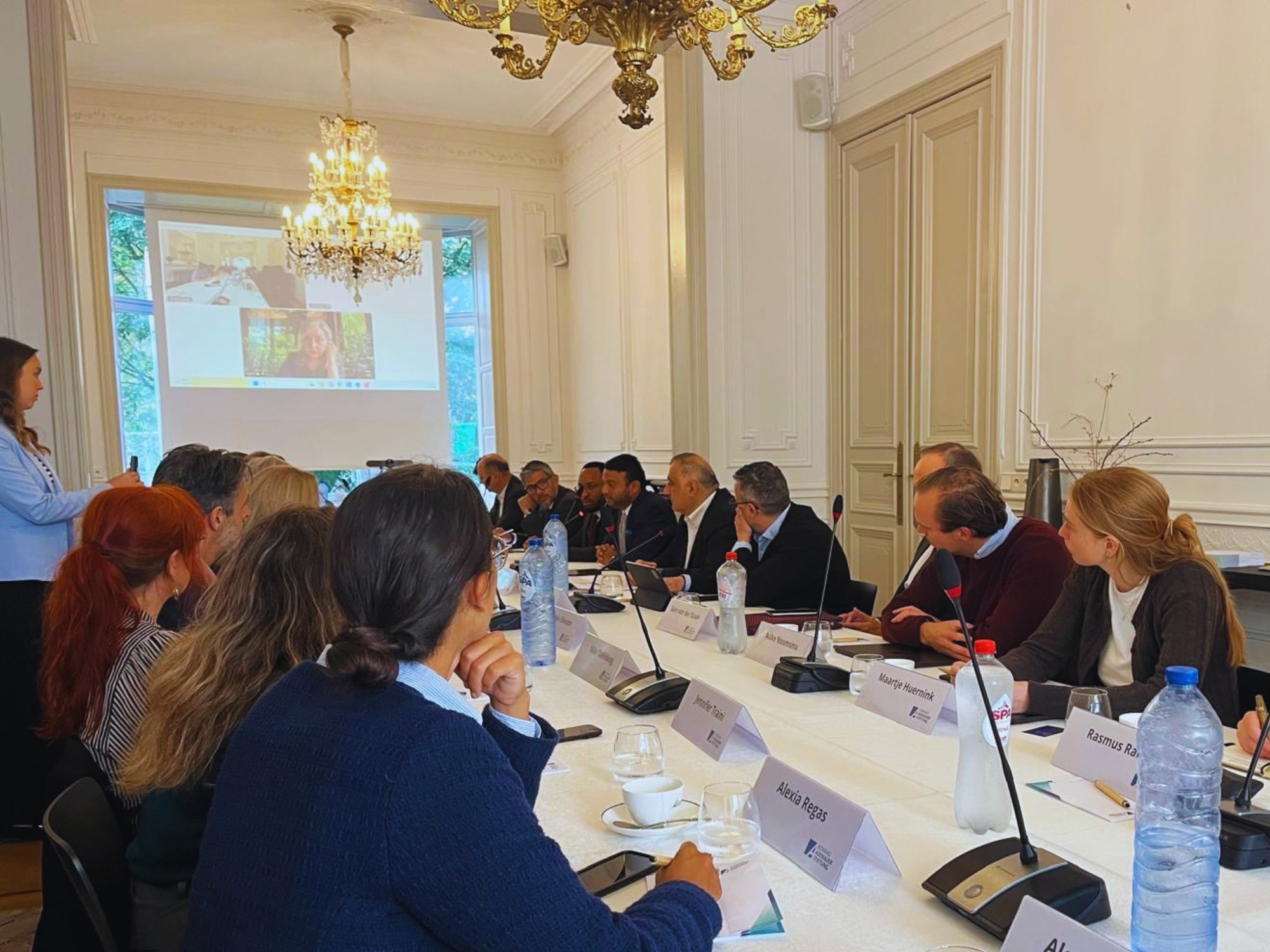
How can political parties protect themselves against foreign interference and help safeguard democratic institutions? This question was at the centre of a joint event organised by the European Network of Political Foundations (ENoP) and the Konrad-Adenauer-Stiftung (KAS) Multinational Development Policy Dialogue on 29 September 2026.
Under the title “Political Parties Under Pressure – How to Strengthen the Resilience of Parties Against Malign Influence from Third Actors”, the event brought together political actors, democracy practitioners and members of the ENoP network to exchange experiences and examine the growing challenges facing democratic political parties.
Understanding the pressures on democratic political parties
Across different regions, political parties face increasing pressure from malign external actors seeking to influence political processes, distort public debate and undermine confidence in democratic institutions.
These activities can take different forms, including Foreign Information Manipulation and Interference (FIMI), covert political funding, cyber operations and coordinated influence campaigns.
The discussion brought together perspectives from six countries, highlighting how these challenges manifest in different political environments:
- Sri Lanka: Dr Kavinda Jayawardhana, Member of Parliament.
- Colombia: Carlos Augusto Chacón, Director of the Instituto de Ciencia Política Hernán Echavarría Olózaga.
- Tanzania: Deogratias Ephraim Munishi, International Secretary of CHADEMA.
- Georgia: Nino Kalandadze, Co-Founder of the Chavadze Center and former Deputy Minister for Foreign Affairs.
- Armenia: Ashot Alexanyan, Chair of Political Sciences at Yerevan State University.
- Moldova: Vadim Pistrinciuc, Executive Director of Institutul Pentru.
Their contributions provided a comparative perspective on the vulnerabilities of political parties and the wider consequences of external interference for democratic governance.
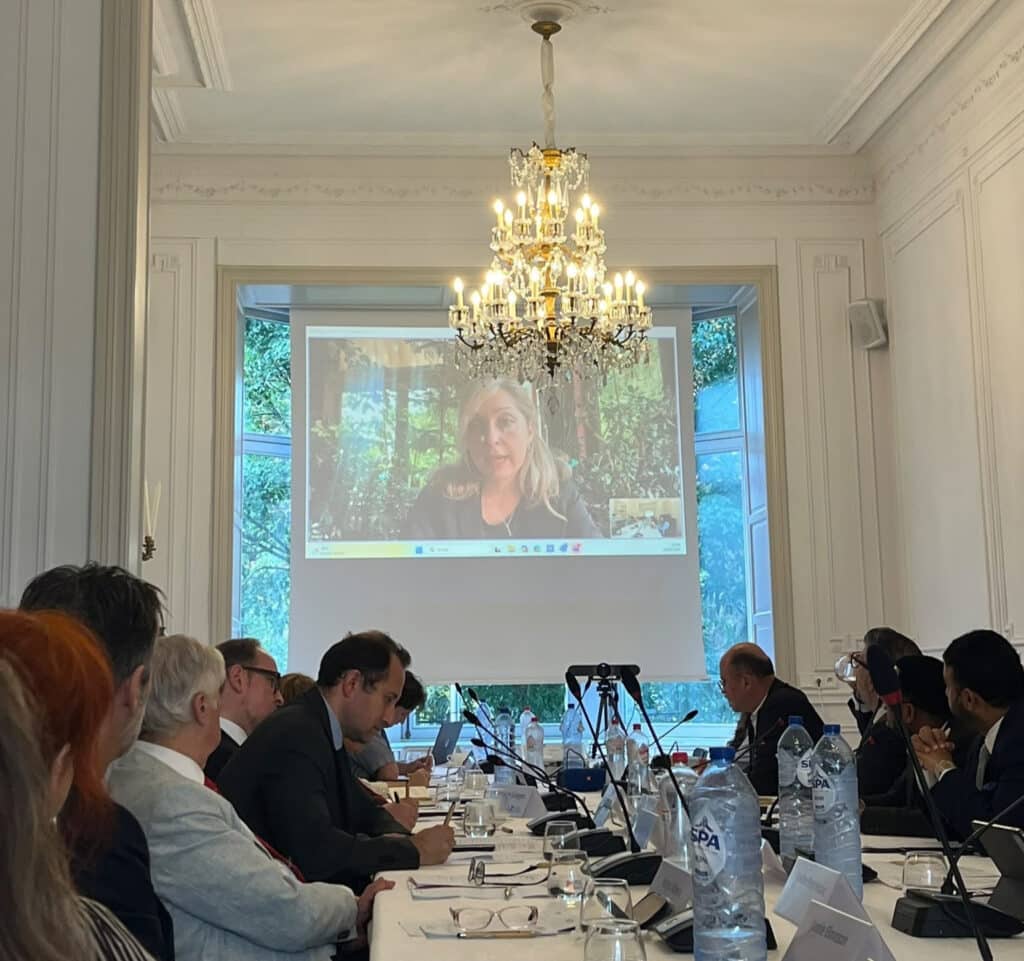
Political parties at the heart of democratic resilience
One of the central messages emerging from the discussions was that the resilience of political parties is closely connected to the resilience of democratic systems themselves.
Participants reflected on the growing influence of external geopolitical actors, particularly China, and the changing role of the United States and the European Union in different political contexts.
The experience of Georgia also illustrated the risks of underestimating information manipulation. Once misleading narratives and external influence become deeply embedded in political discourse, traditional responses such as fact-checking may no longer be sufficient to counter their effects.
These reflections raised broader questions about the responsibilities of democratic political parties: how can they identify threats earlier, communicate their consequences effectively and strengthen public awareness without contributing to further polarisation?
Strengthening cooperation and democratic responses
Following the panel, an open discussion and roundtable moderated by Wilhelm Hofmeister provided an opportunity for participants to exchange perspectives and reflect on possible responses.
The discussions reinforced the importance of continued dialogue, international cooperation and stronger political actors capable of recognising and responding to threats to democratic processes.
For ENoP, the event reflected the value of connecting political foundations, political actors and democracy practitioners across regions to share experiences and address common challenges.
Strengthening political parties is an essential part of strengthening democracy. As forms of external interference continue to evolve, fostering resilient democratic institutions and informed political engagement remains a shared responsibility.
 French
  English