We Shall Lead Media Lounge: Exploring Political Leadership and Media Narratives in Kenya
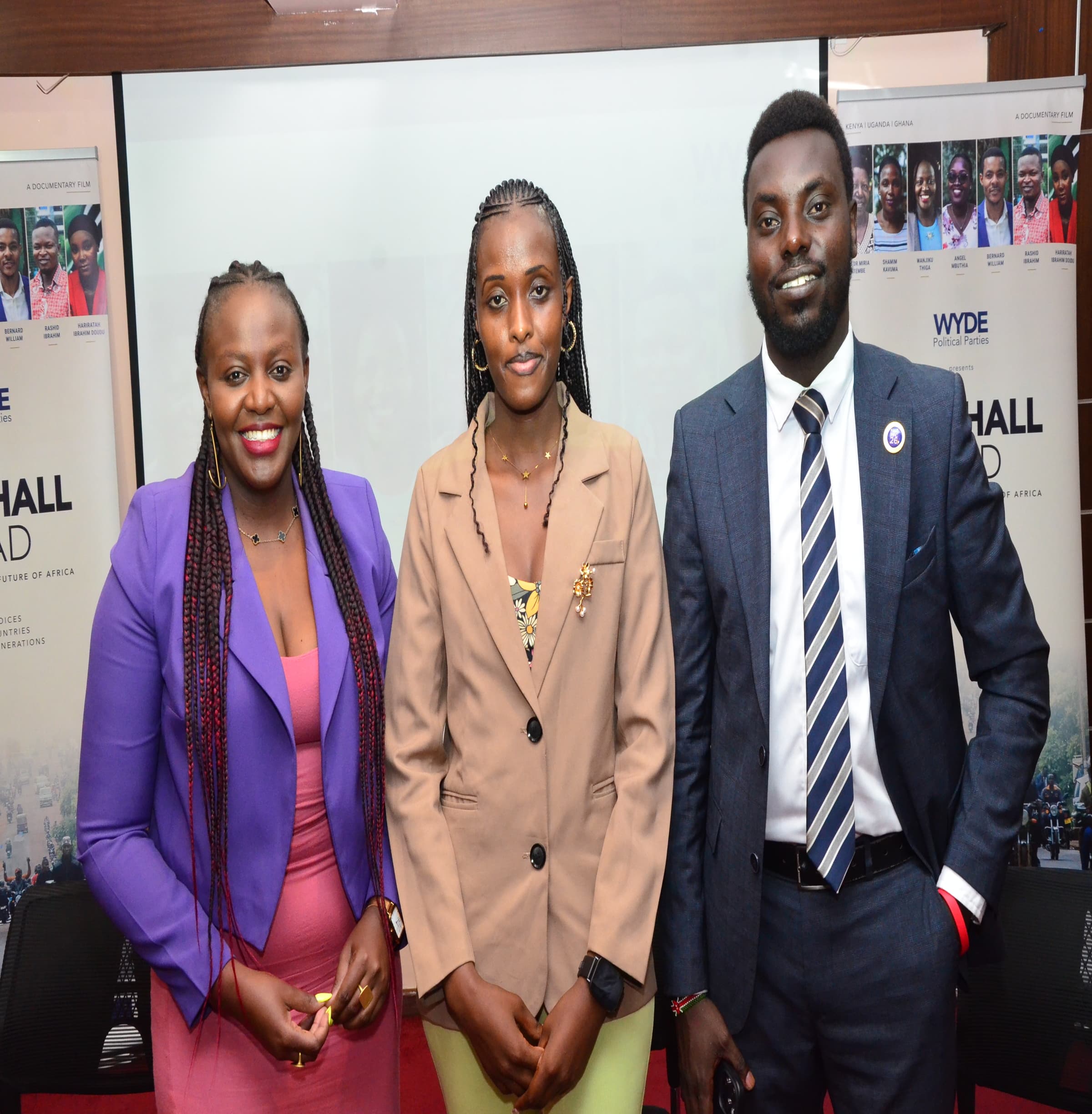
Nairobi, Kenya | 22 October 2026
How are women and young political leaders portrayed in the media? Whose voices receive attention, and how do editorial choices influence who is perceived as a credible political leader?
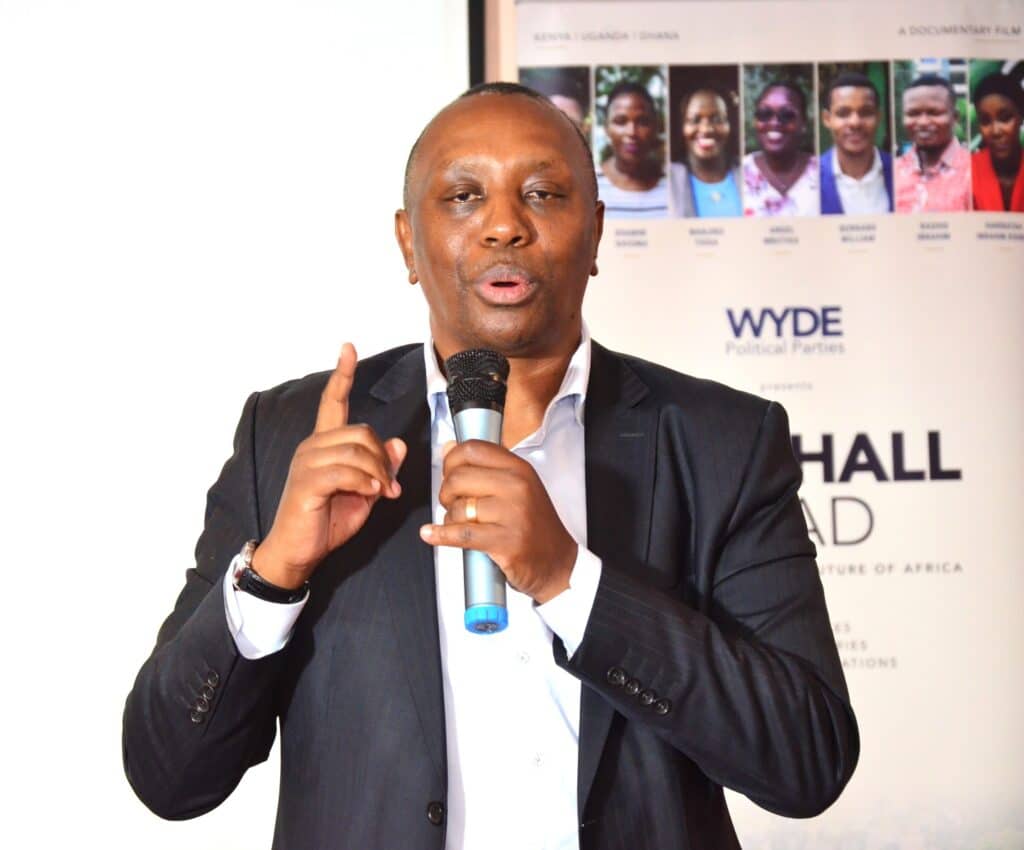
These questions were at the centre of the We Shall Lead Media Lounge, held on 22 October 2026 at Waridi Paradise Hotel & Suites in Nairobi.
Organised by Kanoni Media as part of WYDE Political Parties, the EU-funded project led by the European Network of Political Foundations (ENoP), the event brought together journalists, editors, media practitioners and political leaders to examine the barriers facing women and young people in politics and the role of media narratives in shaping public perceptions of leadership.
The event was inspired by We Shall Lead – Voices Shaping the Future of Africa, a documentary filmed across Kenya, Uganda and Ghana that explores political leadership, representation and the experiences of women and young people seeking to create change from within political institutions.
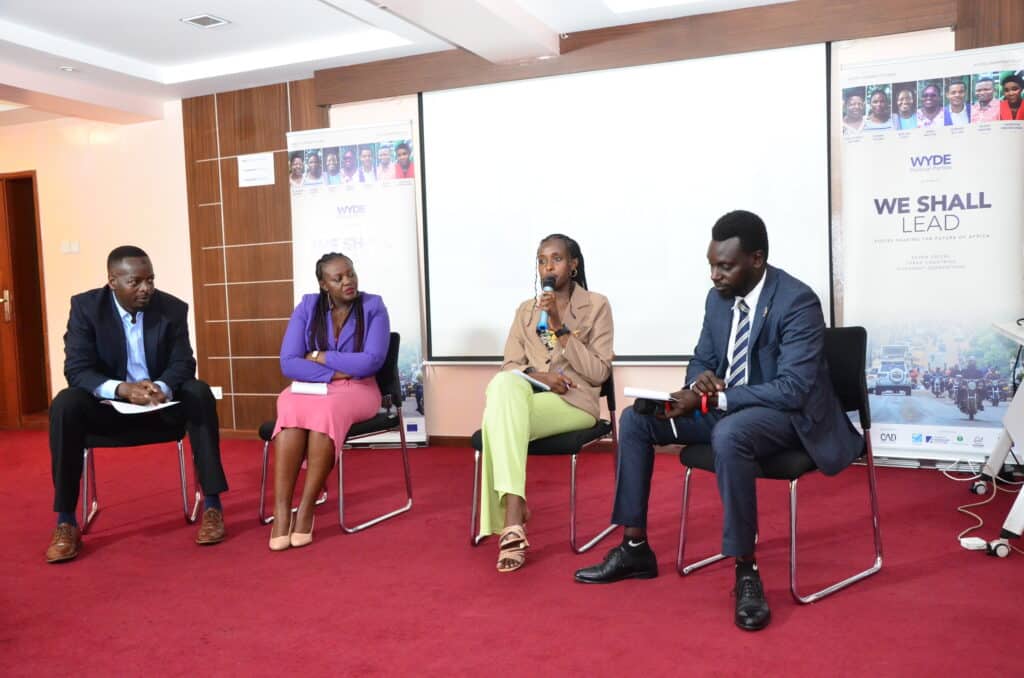
Breaking barriers to political leadership
The first panel, focusing on women, young people and political participation, brought together Isaiah Kaaka, Kajiado West MP aspirant; Wandiru Gladys, Kibra MP aspirant; and Wanjiku Thiga, National Youth Leader of the Democracy for the Citizens Party.
Their discussion explored the financial, institutional and social barriers that women and young people encounter when seeking political leadership positions.
Campaign financing emerged as a recurring concern, alongside political party structures, gender discrimination, harassment, intimidation and the personal costs associated with entering political life.
“Harassment is very real, especially for us young women. It goes beyond assault and goes up to sexual harassment. Politics is not a matter of life and death. We do not have to hurt each other to get the seat,” – Wandiru Gladys.
Panellists also questioned the tendency to confine young political aspirants to junior positions or treat youth representation as a symbolic exercise rather than a meaningful opportunity to participate in decision-making.
Wanjiku Thiga highlighted campaign financing and tokenism as two issues that need to be addressed to create more opportunities for young political leaders.
“If I could change one thing, it would be campaign financing, and I would ask Kenyans to stop tokenism so that more young people can run for office,” – Wanjiku Thiga.
The discussion also explored how political parties can strengthen women’s participation through internal representation, leadership appointments and greater access to decision-making spaces.
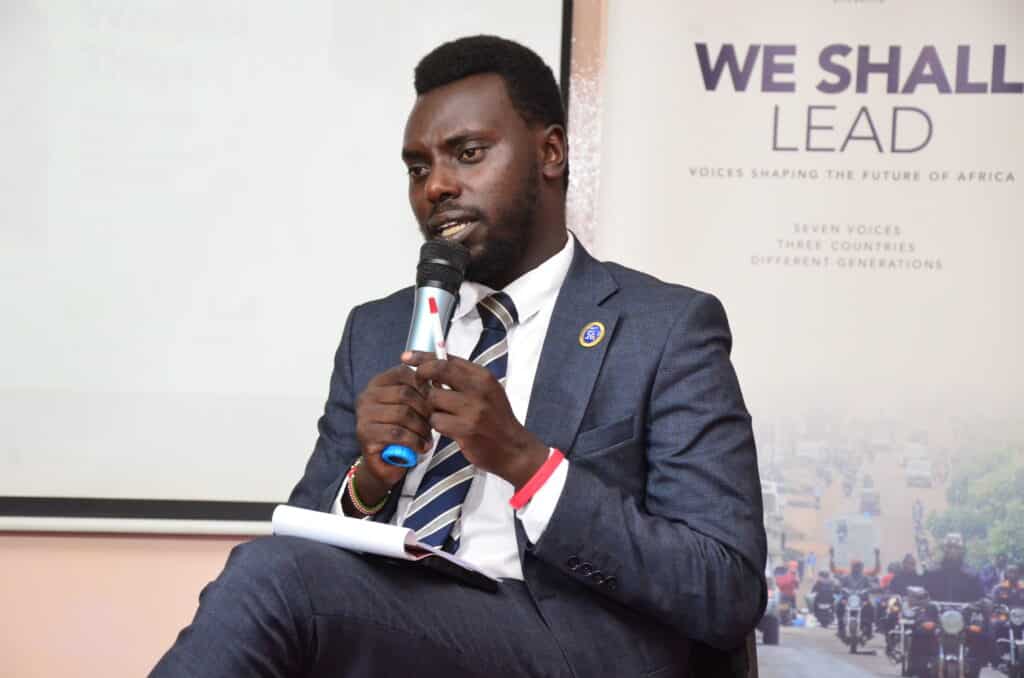
Changing the narrative: The role of the media
The second panel shifted attention to the media and its influence on public perceptions of political leadership.
Featuring Ela Obota, Sub-editor at Citizen Digital; Mary Wangari, Political Reporter at Nation Media Group; and Tom Japani, General Manager at Transworld Radio, the discussion examined how editorial decisions influence the visibility and perceived credibility of women and young political leaders.
Participants considered how coverage can reinforce existing assumptions about who qualifies as a serious political actor.
Ela Obota highlighted how gender and age-related biases can influence coverage before a story even reaches its audience, including the tendency to focus on women’s personalities or dismiss younger political actors because of their age.
“When covering a story about a candidate, just apply the same editorial test you would use to gauge a male
aspirant versus a female aspirant or a young aspirant,” – Ela Obota
The discussion also addressed the pressures shaping editorial decisions, including competition for audience attention, sensationalism and the need for substantive and newsworthy political stories.
Media practitioners emphasised that fair coverage does not necessarily mean favourable coverage, and that aspiring leaders also have a responsibility to engage proactively with journalists, communicate substantive proposals and remain accessible to the media.
“Women and young people struggle to get a platform to address the people so when you are given the platform do not use it to malign your competitors but tell people what you will do for them,” – Mary Wangari
These exchanges revealed different perspectives on the responsibilities of newsrooms and political actors. They also opened a broader conversation about how media visibility, editorial practices and public expectations interact to shape political representation.
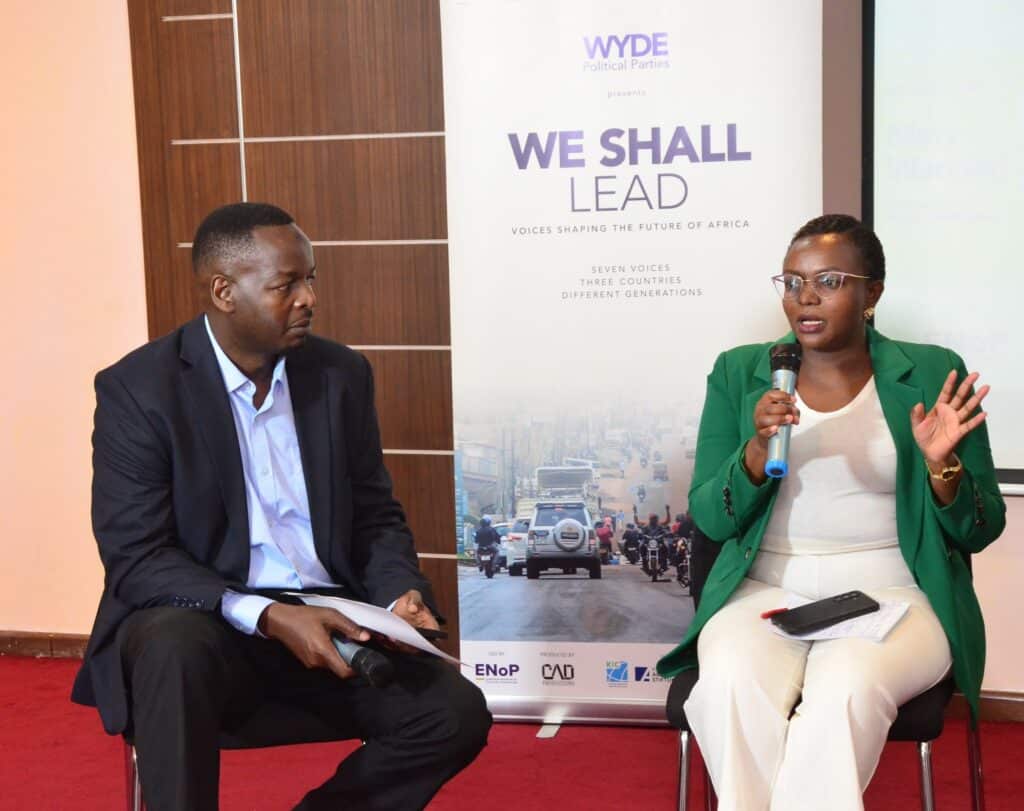
Beyond the screen: From storytelling to dialogue
The Media Lounge forms part of a wider engagement and advocacy strategy developed around We Shall Lead.
Rather than treating the documentary solely as an audiovisual production, WYDE Political Parties is using the experiences of its protagonists to encourage conversations about political leadership, representation and the opportunities for women and young people to participate meaningfully in political life.
In Kenya, where the 2027 general elections provide an important political backdrop, these conversations also offer an opportunity to reflect on leadership beyond electoral competition, including the role of political parties, institutions, citizens and the media in fostering inclusive democratic participation.
The Nairobi Media Lounge demonstrated the value of bringing political actors and journalists into the same conversation, while highlighting questions that remain open: how can political leadership become more accessible, and how can public narratives better reflect the diversity of those seeking to lead?
By connecting personal stories with broader institutional and societal questions, We Shall Lead aims to encourage dialogue that continues beyond the screen.
Watch We Shall Lead
We Shall Lead – Voices Shaping the Future of Africa brings together women and young political leaders across Kenya, Uganda and Ghana to explore what leadership means today, why representation matters and the kind of political leadership already taking shape across generations.
Watch the full documentary:
We Shall Lead was developed through WYDE Political Parties, part of the EU-funded Women and Youth Democratic Engagement (WYDE) Initiative, led by the European Network of Political Foundations (ENoP).
 French
 English