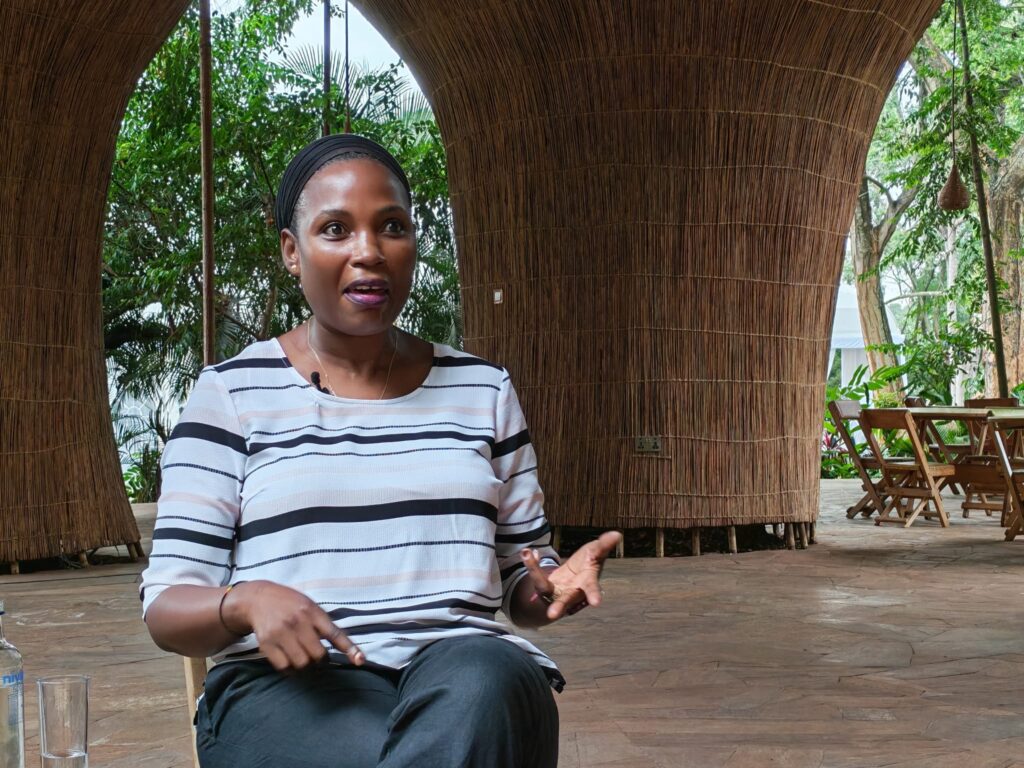
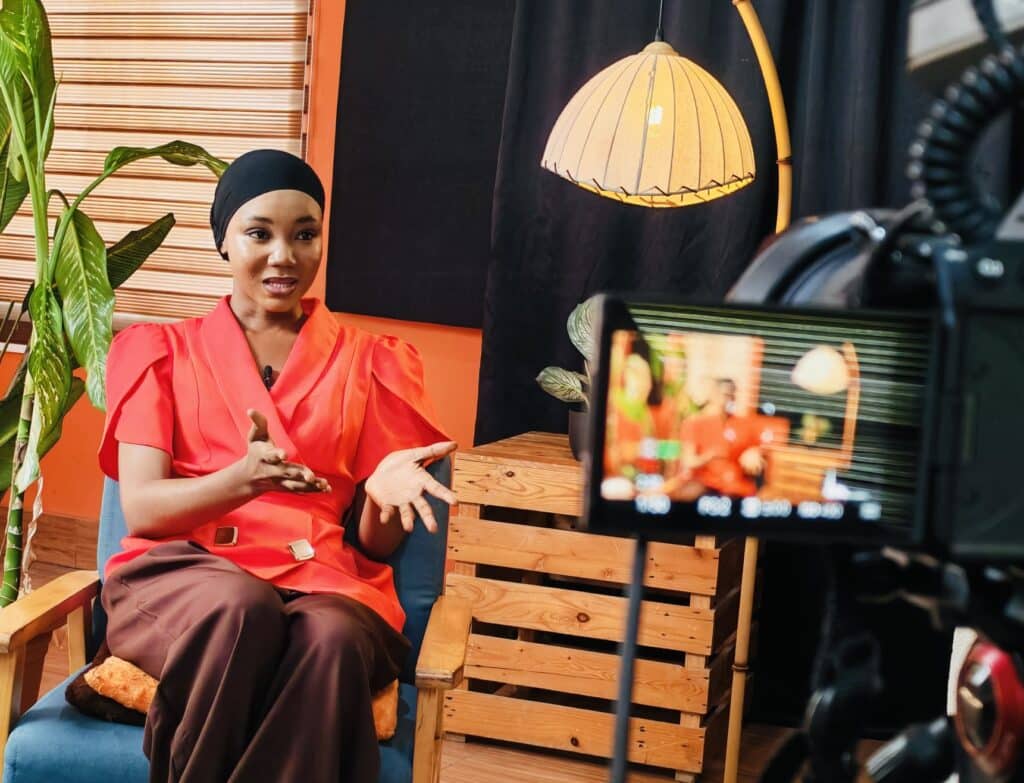
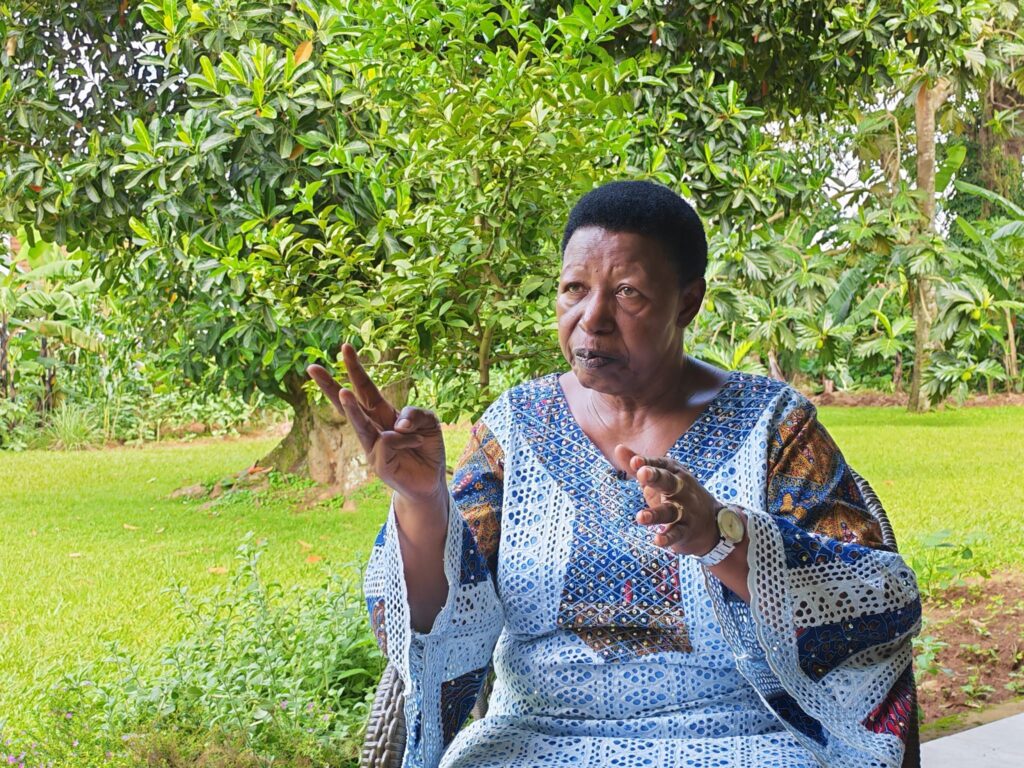
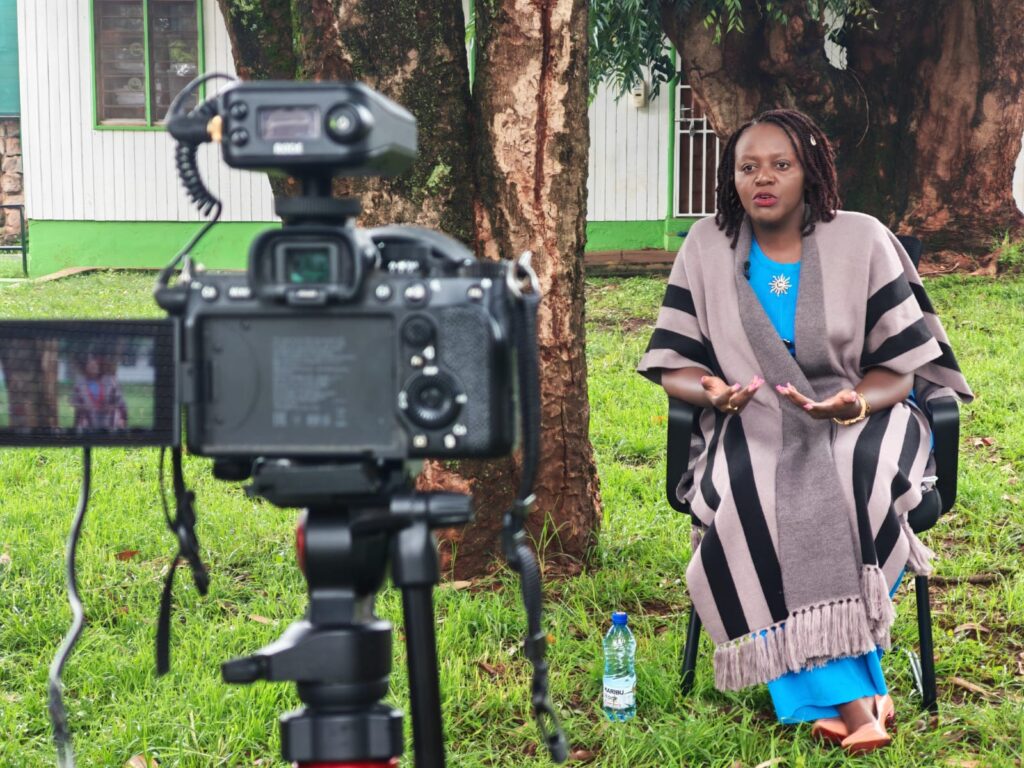
Filming concludes across Kenya, Uganda and Ghana for the WYDE Political Parties documentary.
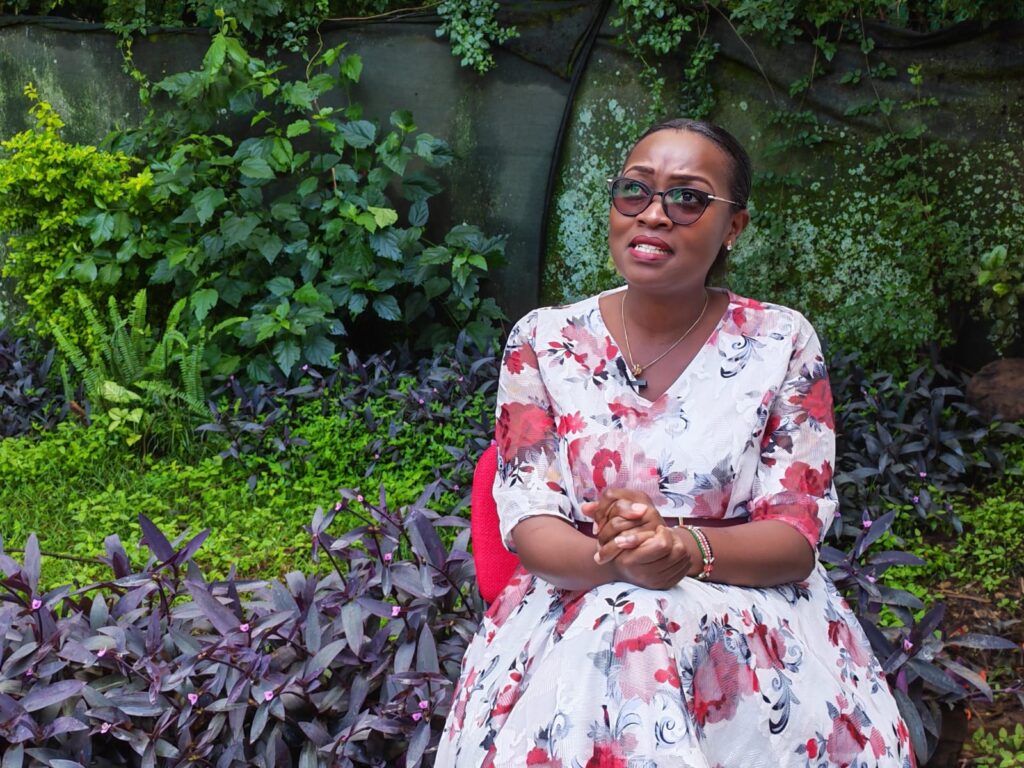
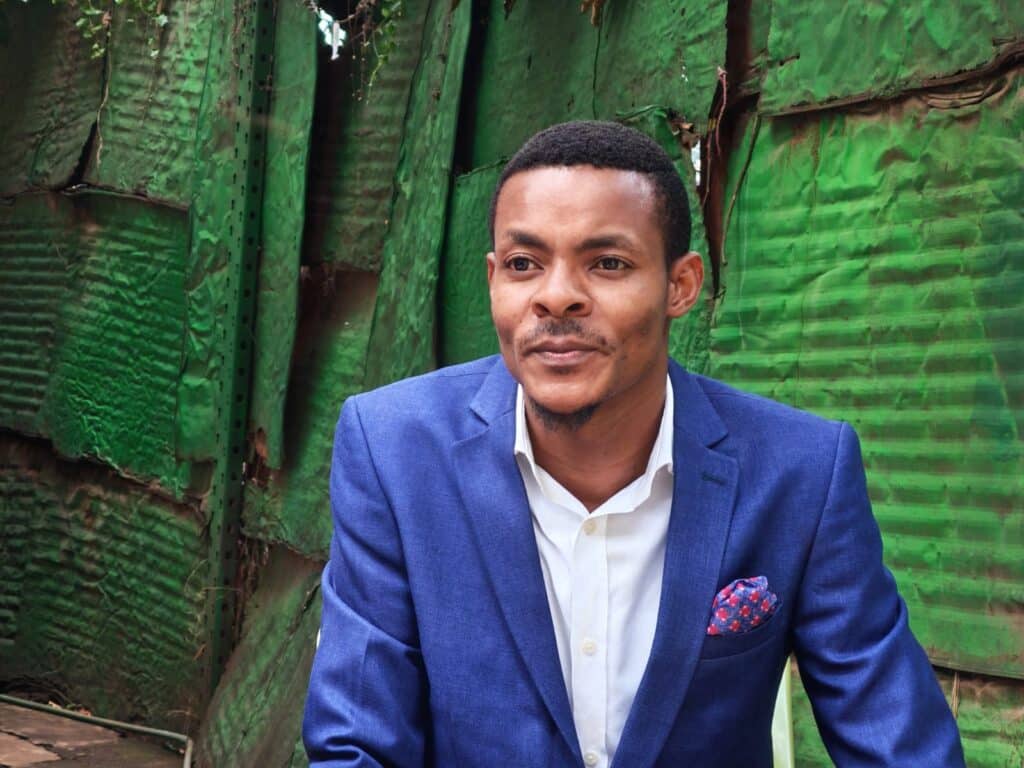
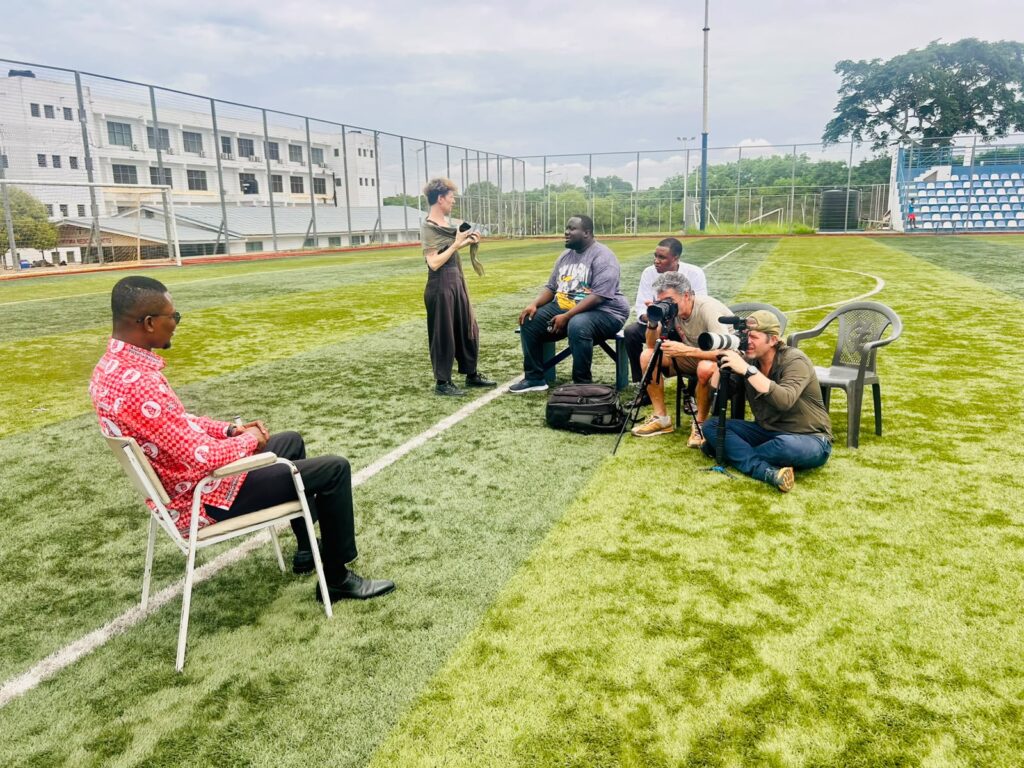
Over the past months, the WYDE Political Parties documentary team travelled across the three countries to listen to women and young leaders working from within political parties. While their stories are diverse, they reveal a shared conviction: meaningful change rarely happens from the sidelines.
For some, political engagement began with witnessing injustice in their communities. For others, it came from frustration at seeing women and young people excluded from decisions that shape their lives. Across all seven stories, one idea became clear: leadership is not simply about holding positions of power. It is about responsibility, service and the willingness to act.
These are the stories at the heart of We Shall Lead: Voices Shaping the Future of Africa, a new documentary produced under the WYDE Political Parties project and developed by the European Network of Political Foundations (ENoP) in partnership with CAD Productions.
Following several months of filming across Kenya, Uganda and Ghana, production has now officially wrapped, bringing together the experiences of leaders from different generations, political backgrounds and social contexts who are helping shape democratic participation across the continent.
Why Politics? Why Leadership?
One of the strongest themes to emerge throughout the filming process was the question of why individuals choose to engage in politics in the first place.
For many interviewees, the answer was deeply personal.
In Uganda, Shamim Kavuma traces her political journey back to an experience of injustice she witnessed as a child.
“I knew I had to enter politics to correct that injustice. That was my first contested election. I won, and that’s how my activism began.”
In Ghana, Hariratah Ibrahim Doudu describes a similar turning point that transformed her from an observer into an active participant.
“I realized that I want to be part of people that create change or people that contribute to change.”
For Rashid Ibrahim, political engagement emerged from a desire to represent communities whose voices often go unheard.
“I wanted to be the voice for the voiceless in my community.”
Their reflections point to a common idea: politics matters because it remains one of the spaces where decisions are made, resources are allocated and futures are shaped.
Leadership as Service
Another recurring theme was the understanding of leadership not as status or authority, but as service.
Across generations, interviewees spoke about responsibility towards their communities and the importance of opening pathways for others.
In Uganda, Miria Matembe reflects on decades of work dedicated to expanding opportunities for women in public life.
“We wanted to break through the barriers that constrained women from going into public life, from being seen, from being heard, from being treated as full human beings.”
Her reflections are echoed by younger leaders across the documentary.
For Serah Wanjiku Thiga, representation matters because leadership creates possibilities for others to imagine themselves in those same spaces.
“I want girls from the slums to see me and think, ‘If she can do it, I can too.’”
Similarly, Angel Mbutia highlights the importance of persistence and trailblazing for future generations.
“If pioneers don’t build those roads, no one else will follow.”
Together, these voices remind us that leadership is often less about individual achievement and more about creating opportunities for those who come next.
A New Generation Steps Forward
The documentary also explores the role of young people in shaping Africa’s future.
This question carries particular relevance in a continent where young people represent the majority of the population, yet often remain underrepresented in political decision-making processes.
For Bernard William, the conversation about youth participation should move beyond future aspirations and focus on present realities.
“Youths are leaders of now. We have fresh ideas and we understand technology.”
Hariratah Ibrahim Doudu offers a similar perspective:
“This is our time as youth. Our generation thinks differently, we move differently, we see the world in a whole different light.”
And Rashid Ibrahim speaks directly to the responsibility that comes with that reality:
“We should not allow the old people to occupy the leadership roles. We must take it upon ourselves, develop ourselves, and take the roles up because the future is for us.”
Rather than portraying youth as leaders of tomorrow, the documentary presents them as active political actors already contributing to change today.
Resilience, Sacrifice and Staying the Course
While the documentary highlights inspiring stories, it does not shy away from the challenges that come with political engagement.
Participants spoke candidly about setbacks, discrimination, resistance and the personal sacrifices often required to remain involved.
Several reflected on the importance of resilience — not simply as endurance, but as the ability to remain committed to one’s values and purpose.
Their experiences reveal that leadership is rarely a linear journey. It is often marked by obstacles, difficult decisions and moments of uncertainty. Yet despite these challenges, the individuals featured in the documentary continue to engage because they believe that participation matters and that change is possible.
Looking Ahead
With filming now completed, We Shall Lead enters the post-production phase.
Over the coming weeks, the production team will work on editing and finalising the documentary, alongside a series of individual character portraits featuring each of the participants.
The documentary is expected to be completed by the end of July 2026.
From September onwards, the project will move into a broader distribution and engagement phase, with screenings, dialogues and outreach activities planned in collaboration with universities, youth leadership initiatives, women’s leadership networks, democratic institutions and project partners across Africa and Europe.
The stories captured throughout Kenya, Uganda and Ghana offer no single blueprint for leadership. Instead, they reveal a generation of women and young leaders who have chosen to engage, participate and help shape the future of their communities.
As the documentary demonstrates, leadership begins not with power, but with the decision to step forward.
Documentary Information
Title: We Shall Lead
Subtitle: Voices Shaping the Future of Africa
Project: WYDE Political Parties
Implemented by: Réseau européen des fondations politiques (ENoP)
Supported by: European Union – WYDE Initiative (Women and Youth Democratic Engagement)
Production Partner: CAD Productions
Filming Locations: Kenya, Uganda and Ghana
Filming Period: May – June 2026
Interviewees:
Hon. Miria Matembe (Uganda) — Former Minister of Ethics and Integrity of Uganda and women’s rights advocate.
Shamim Kavuma (Uganda) — Youth political organiser and gender advocate, National Resistance Movement (NRM).
Serah Wanjiru Thiga (Kenya) — National Youth League Caucus Chair, Democracy for the Citizens Party (DCP).
Bernard William (Kenya) — Young political aspirant and community organiser in Mombasa County UGM Party.
Angel Mbuthia (Kenya) — Chairperson-COMESA Youth Advisory Panel, Global Partnership for Education Youth Ambassador, National Youth Council Board Member
Rashid Ibrahim (Ghana) — President of the National Union of Ghana Students (NUGS)
Hariratah Ibrahim Doudu (Ghana) — SRC Vice President of the Ghana School of Law – GIMPA Campus.
Expected Completion: July 2026
Planned Distribution Period: September 2026 – January 2027
Afin de fournir les meilleures expériences, nous utilisons des technologies telles que les cookies pour stocker et/ou accéder aux informations relatives à l'appareil. Le fait de consentir à ces technologies nous permettra de traiter des données telles que le comportement de navigation ou des identifiants uniques sur ce site. Le fait de ne pas consentir ou de retirer son consentement peut avoir un effet négatif sur certaines caractéristiques et fonctions.
Fonctionnel
Toujours activé
Le stockage technique ou l'accès est strictement nécessaire dans le but légitime de permettre l'utilisation d'un service spécifique explicitement demandé par l'abonné ou l'utilisateur, ou dans le seul but d'effectuer la transmission d'une communication sur un réseau de communications électroniques.
Préférences
Le stockage ou l'accès technique est nécessaire dans le but légitime de stocker des préférences qui ne sont pas demandées par l'abonné ou l'utilisateur.
Statistiques
Le stockage ou l'accès technique utilisé exclusivement à des fins statistiques.Le stockage ou l'accès technique est utilisé exclusivement à des fins statistiques anonymes. En l'absence de citation à comparaître, de conformité volontaire de la part de votre fournisseur d'accès à Internet ou d'enregistrements supplémentaires de la part d'un tiers, les informations stockées ou extraites à cette seule fin ne peuvent généralement pas être utilisées pour vous identifier.
Marketing
Le stockage ou l'accès technique est nécessaire pour créer des profils d'utilisateurs afin d'envoyer de la publicité, ou pour suivre l'utilisateur sur un site web ou sur plusieurs sites web à des fins de marketing similaires.

 French
  English